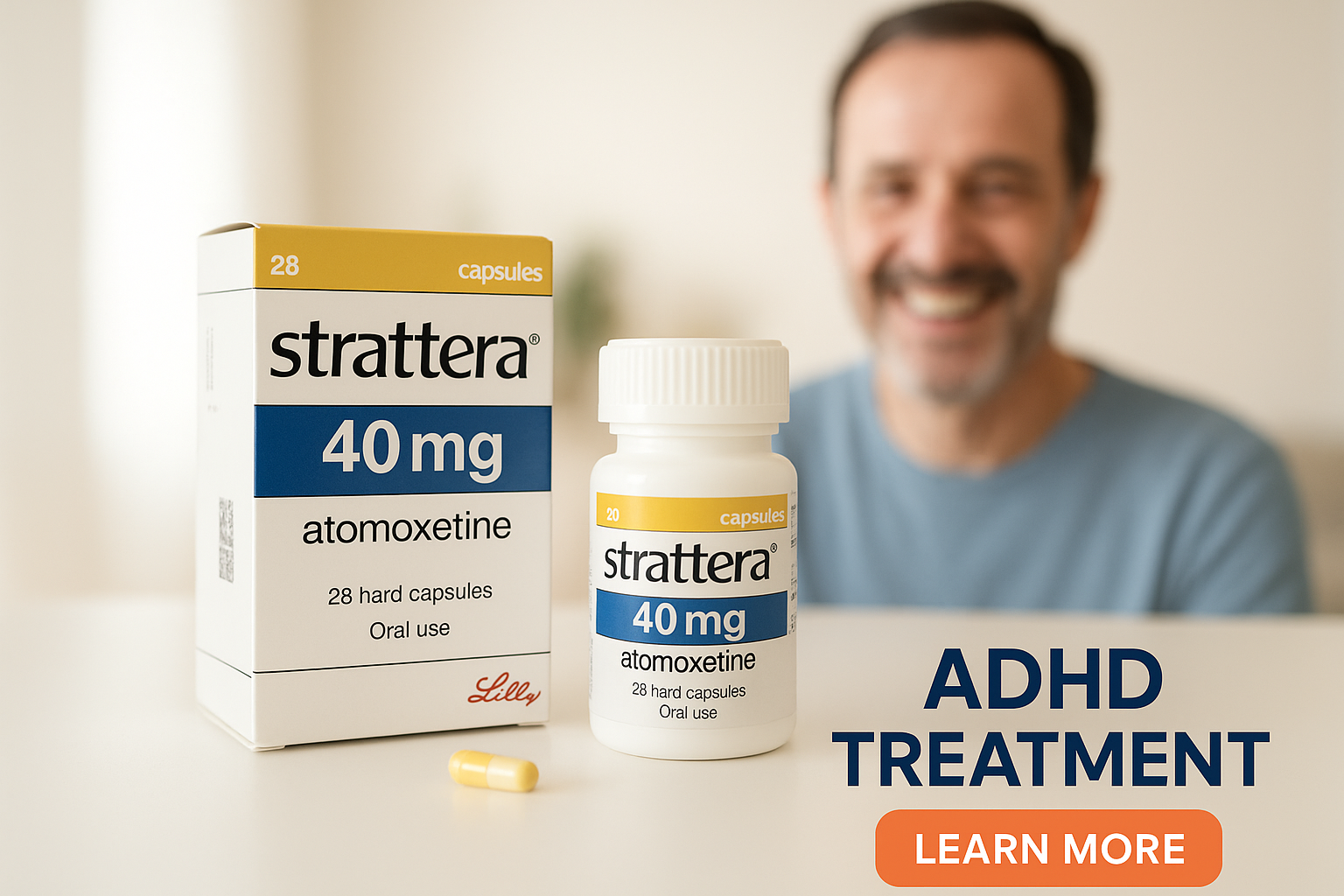



Strattera, known generically as atomoxetine, has increasingly emerged as a subject of robust discussion within the scope of ADHD (Attention Deficit Hyperactivity Disorder) management. Because it represents a non-stimulant option—thereby setting it apart from traditional stimulants commonly prescribed for ADHD—Strattera may appeal to both patients and caregivers who are specifically searching for alternate pharmacological interventions, as corroborated by patient preference trends. It is quite plausible that, during your exploration of ADHD pharmacotherapies, you may have encountered perspectives or resources suggesting how to buy Strattera on line, or questioned how its efficacy measures up against conventional therapies.
This review seeks to elucidate what Strattera is, highlights the current understanding of its mechanism of action, and undertakes a comparative analysis with other available medications, thereby providing what could be a more nuanced view of its advantages and drawbacks.
What is Strattera and How Does It Work?
Strattera (atomoxetine), which is classified as a selective norepinephrine reuptake inhibitor (NRI), has been granted approval for the treatment of ADHD across pediatric, adolescent, and adult populations. It stands out among ADHD medications due to its targeted action on norepinephrine rather than dopamine, which is typically elevated by most stimulants. Through this mechanism, the agent appears to facilitate improved attentional control while diminishing impulsivity and hyperactivity in certain individuals.
Given its absence of significant dopaminergic action, it seems that Strattera does not harbor the level of abuse or dependency potential traditionally associated with stimulant therapies, and this factor may render it preferable for specific patient populations—particularly those at risk of substance misuse. Nonetheless, it is important to emphasize that Strattera’s clinical benefits could require a notably extended period to manifest, and adjunctive patience becomes necessary, given that several weeks of continuous administration are often required for symptom improvement to become apparent.
Comparing Strattera to Other ADHD Medications
When analyzed against stimulant-based ADHD therapies—such as methylphenidate or various amphetamine salts—distinct and clinically significant differences often become apparent. Existing research suggests that stimulants confer a comparatively rapid onset of action and are frequently designated as first-line options, primarily on the grounds of high symptom reduction efficacy shortly after initiation. In contrast, Strattera’s value appears to reside in its profile as a non-stimulant, an attribute making it particularly suited for patients who experience unfavorable side effects from stimulants or whose personal or family history includes concern for substance misuse.
Other salient considerations may involve the medication schedule, since most stimulant prescriptions involve multiple daily doses, whereas Strattera is typically administered once or, on some occasions, twice daily—potentially supporting improved adherence in daily use. Side effects, which may influence therapeutic selection, also seem to differ: Strattera has been associated in multiple reports with side effects such as gastrointestinal discomfort, mild fatigue, or intermittent mood lability, although the overall tolerability appears reasonable for many patients.
Safety Profile and FDA Approval
Extensive post-marketing surveillance and systematic safety assessments have characterized Strattera’s overall risk profile since its initial approval by the U.S. Food and Drug Administration (FDA). Nevertheless, it remains imperative to acknowledge the potential for adverse reactions, some of which may occur with greater frequency among individuals with known cardiovascular conditions or certain psychiatric comorbidities. Regulatory frameworks—including comprehensive resources made available via the FDA—are invaluable not only for Strattera, but also for understanding other pharmaceutical approvals. As illustrative references, readers might review entries for Drugs@FDA ANDA077601 citalopram or Drugs@FDA NDA021807 tamoxifen, both of which show how medications are rigorously evaluated and subsequently authorized for prescription.
The ongoing nature of pharmacological research—including randomized and observational studies—continues to inform best practices for clinicians and patients alike. One representative example might be data from the Bioequivalence Study of Two Oral Haloperidol Tablets Formulations in Healthy Subjects Under Fed Conditions, which underscores the scientific rigor guiding modern drug approval and monitoring processes.
Accessing Strattera: Online Availability and Considerations
A growing proportion of the patient population, in an increasingly digital healthcare landscape, is seeking information on how to access or purchase Strattera through online channels—sometimes encountering references to Strattera Online No Script or Strattera Without Pres. Despite these trends, it must be emphasized that obtaining Strattera without a valid prescription could pose significant safety risks, and, in many jurisdictions, is unequivocally in violation of the law. Because atomoxetine dosing should be personalized and ongoing safety needs to be ensured, independent online acquisition without medical supervision is not recommended by professional guidelines.
Should you contemplate an online purchase, selecting reputable and licensed digital pharmacies is crucial. For example, platforms such as balloons-and-beyond.com can sometimes offer legitimate information about pharmaceutical products; nonetheless, all associated decisions ought to be corroborated with input from a trusted healthcare practitioner to reduce any risk of harm or therapeutic failure.
Final Thoughts on Strattera
In summary, Strattera may constitute an effective non-stimulant alternative in ADHD management, particularly among patients for whom stimulants are not well-tolerated or are contraindicated due to abuse potential concerns. Although its initial efficacy tends to display a more gradual onset and may require judicious monitoring of side effects or adherence, its unique pharmacological profile continues to secure a vital role in ADHD pharmacotherapy frameworks.
Ultimately, the decision to initiate or adjust any ADHD medication, including Strattera, should only be undertaken following a comprehensive evaluation by a qualified healthcare professional. In addition, avoidance of unregulated or informal sources—especially those advertising Strattera without a prescription—remains best practice, as prioritizing medically guided access could optimize patient safety while enhancing overall outcomes.