
Enjoy the adventure of a lifetime with a sunrise Hot Air Balloon Ride over Central Florida. We fly 7 days a week (weather permitting) in the Orlando, Davenport and Kissimmee area. We only fly one flight per day in the early morning.

We meet approximately 1 hour before sunrise and after selecting our launch site, we will head out to begin our inflation process for your hot air balloon adventure. You are more than welcome to assist in the in the set up of the balloon. After your ride we will celebrate our return to Mother Earth with a champagne and orange juice toast.

Founded in 1998 by Bob Carlton, Balloons & Beyond is backed with over 40 years of industry experience. Bob has been flying balloons since 1976 and is one of the most experienced pilots in the state of Florida having logged thousands of hours flying all over the United States and the world. He has flown over many countries such as Australia, New Zealand, UK, France, Switzerland, Mexico and Canada.
From 1976 to 1980 he flew the Budweiser, Black Angus and Westinghouse balloons for World Balloon Corporation in Albuquerque, New Mexico. Bob then moved to Tampa to work for Sport Balloons and head a repair station. He flew the Tampa Tribune and Freedom Savings balloons. In 1986 Bob flew for Walt Disney World. He flew the Mickey Mouse, Donald Duck, Cinderella's Castle and the Spaceship Earth balloons. In addition to his experience, Bob is also a wonderful entertainer and can really make his passengers feel at ease as he maneuvers his balloon over the beautiful Central Florida landscape.
Flights
All flights are flown at Sunrise, 7 days a week, including Holidays! (weather permitting)
Open Flight (we reserve the right to place you in with other passengers) $250.00 / per person
Private Flight (the two of you & the pilot are the only people in the basket) $700.00 / Couple
Reservations
Reservations are required and we recommend booking at least one week out for a hot air balloon flight for a weekday and two weeks for a weekend day. Balloons & Beyond accepts Visa, MasterCard, American Express, Discover Card and Cash.
After your reservation is confirmed, please remember the following tips:
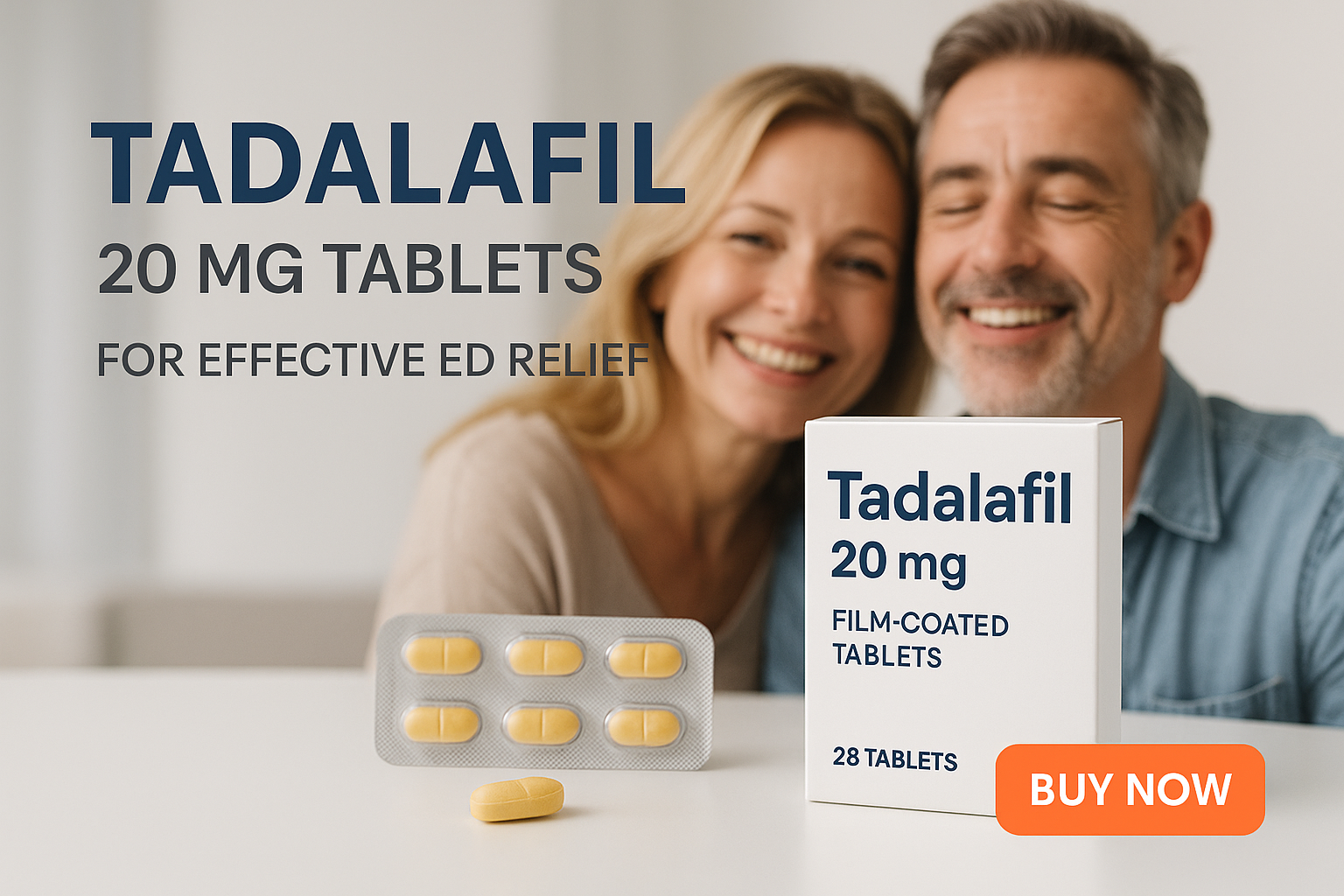
Tadalafil has become a widely recognized pharmacological agent, predominantly indicated for the management of erectile dysfunction (ED) as well as symptoms suggestive of benign prostatic hyperplasia (BPH). Due in part to its prolonged pharmacodynamic profile—which appears to surpass that of several comparable agents—tadalafil tends to provide users with a heightened degree of flexibility and convenience in dosing schedules. Consequently, if you are contemplating the initiation of tadalafil therapy, it is prudent to familiarize yourself thoroughly with various aspects of this medication, including but not limited to available dosage forms, optimal sourcing practices, and overall safety profile. As such, this buyer’s guide has been designed to offer practical, evidence-informed recommendations, aiming to empower patients to make decisions that balance safety with therapeutic efficacy. In the process of researching medications through legitimate platforms such as balloons-and-beyond.com, one may encounter several pharmaceutical formulations of tadalafil, each available in a spectrum of dosages. Notably, typical dosage strengths for tadalafil include 2.5mg, 5mg, 10mg, and even higher increments. Clinical guidance suggests that the lower dosages (specifically 2.5mg and 5mg) may be particularly appropriate for long-term, daily use—this is especially relevant in chronic management of BPH or persistent manifestations of ED. Conversely, the 10mg or higher tablets are usually reserved for on-demand administration, ideally taken prior to anticipated sexual activity. Therefore, it would be unwise to select the dosage independently, as expert consultation with a healthcare professional is required to evaluate comorbidities, concurrent treatments, and individual therapeutic objectives. Regarding the acquisition of tadalafil, the authenticity and legitimacy of the medication’s source remain matters of critical importance. Online sources give prospective buyers an opportunity to explore both generic as well as branded tadalafil; however, the contemporary digital marketplace has also seen a surge in counterfeit products that could pose health risks or be entirely ineffective. Particularly for individuals in Canada or the UK—where internet search terms such as “Buy Tadalafil Online Canada” or “Tadalafil Online UK” feature prominently—it is essential to ensure vendors adhere strictly to local and international regulatory requirements while supplying only verified pharmaceutical products. Approaching only those suppliers who demonstrate compliance with appropriate certifications could reduce the potential risk of receiving unsafe medications. Having access to, and understanding, the medication’s regulatory standing—including official documentation from trusted agencies—may facilitate a safer decision-making process. As an example, documents from the United States Food and Drug Administration (FDA) offer verified product listings and information about approved formulations of tadalafil. Specific references such as those for FDA NDC 71610-903 tadalafil and FDA NDC 68071-2554 tadalafil serve as indicators of legitimacy and quality assurances respectively. There is evidence to suggest that independently corroborating product approval and labeling through databases such as those provided by the FDA may be a key step in safeguarding personal health, especially when sourcing pharmaceuticals online. Prior to embarking on tadalafil therapy, it seems judicious to recognize not only the agent’s effect in the realm of erectile dysfunction but also its underlying mechanisms and emerging indications within the field of medicine. Pharmacologically, tadalafil functions as a selective phosphodiesterase type 5 (PDE5) inhibitor; it works by facilitating increased blood flow primarily to the penile tissues, thus providing symptomatic relief from erectile dysfunction. Recent data suggest ongoing investigation of tadalafil’s role in various disease states, potentially broadening its scope. One intriguing example is its study within the domain of oncology: clinical trials such as the Chemoimmunotherapy and Radiation in Pancreatic Cancer trial examine tadalafil for its adjunctive potential in improving chemotherapy outcomes in pancreatic cancer patients. Such research appears to illuminate tadalafil’s evolving profile in medical therapeutics. The cost of tadalafil, which may vary considerably, is influenced by multiple factors—including pharmaceutical branding, chosen dosage, and, significantly, the source of procurement. While branded formulations (such as Cialis) generally command higher prices, generic equivalents of tadalafil, which are expected to offer therapeutically identical effects due to their chemical congruence, are often accessible at relatively lower cost. For budget-conscious consumers, it could be worthwhile to explore search terms like “Buy Generic Tadalafil,” with the caveat that cost savings should never come at the expense of authenticity or product quality. Moreover, several online vendors now market “Tadalafil For Sale Overnight” as a premium service, seemingly catering to consumers requiring rapid access—though, it should be emphasized, this added convenience may not necessarily justify potential increases in pricing. Striking an equilibrium between affordability and product security should remain a priority for prospective buyers. Patients may benefit from referring to the following checklist when preparing to purchase tadalafil: It appears prudent for prospective users of tadalafil to maintain vigilance regarding its adverse effect profile and any absolute or relative contraindications. Preliminary and post-market observations indicate that frequently reported side effects could encompass headache, epigastric discomfort, myalgia (most commonly back pain), and upper respiratory symptoms, such as nasal congestion. Nonetheless, more severe complications are also documented, especially when tadalafil is co-administered with nitrates or drugs targeting the cardiovascular system. Accordingly, a pre-therapy medical evaluation is indispensable in order to mitigate these risks. Clinical recommendations underscore that “Patients should be cautioned against the use of tadalafil with nitrate medications due to the risk of significant hypotension,” which emphasizes the essential role of healthcare oversight during tadalafil therapy. Individuals weighing tadalafil against other possible interventions for ED might benefit from considering alternative agents, such as Levitra, which is characterized by a shorter duration of action. The pharmacological differences between medications—along with factors like onset of action, duration, and interaction profiles—should ideally be assessed within the context of individual medical histories and personal preferences. Shared decision-making with a healthcare provider in this context could increase the likelihood of a favorable outcome. In summary, tadalafil seems to represent an effective and adaptable therapeutic option for the treatment of erectile dysfunction, as well as the relief of symptoms associated with BPH. Nonetheless, it is critical for individuals to be well informed about dosing strategies, source legitimacy, price determinants, and potential risks—factors that, collectively, facilitate safe and effective use. Whether one chooses brand-name Cialis or a generic alternative, prioritizing pharmacist and physician guidance, along with careful assessment of regulatory compliance, is likely to confer the greatest degree of treatment satisfaction and protection. When seeking additional information, recourse to authoritative sources, such as FDA drug databases or official labeling repositories, is strongly advised to reaffirm product authenticity and ensure informed clinical choices.
“Tadalafil’s long half-life distinguishes it from other PDE5 inhibitors, allowing for once-daily dosing and a window of effectiveness lasting up to 36 hours, offering greater spontaneity and patient satisfaction.” — Clinical Pharmacology Review
Gift Certificates
Gift Certificates are available for that special someone that has everything. They are good for one (1) year from date of purchase, fully transferable, have no cash value and are non-refundable. Please let us know you have a certificate upon scheduling your flight and they must be presented at the time of flight. Gift Certificate holders fall under the same cancellation policies of Balloons & Beyond.
Cancellation Policy
If you need to cancel, please give us a 48 hour notice and we will provide a full refund (Booking Fee is NON-refundable). Should you cancel from 24 - 48 hours out, you will be charged $50 per person. A cancellation by you that is less than 24 hours in advance of your flight is not eligible for a refund.
We are sorry for the inconvenience, but we can only carry a limited number of passengers and by making your reservation, you have reserved that spot for you which prevents us from making additional reservations.